by Sumaiyya Rahman
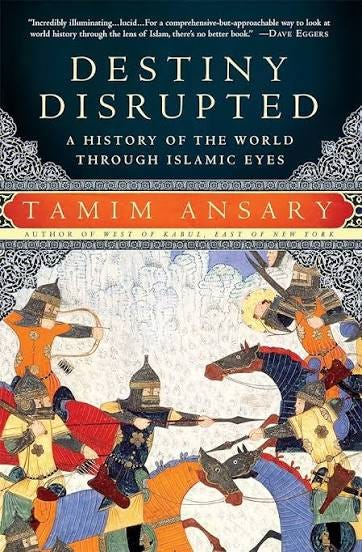
A Bestseller. “Islamic history through Islamic eyes”. 3 reasons not to recommend it.
As a curriculum developer and history instructor for middle school and high school students, I was recommended Tamim Ansary’s Destiny Disrupted. Muslims around me were enamoured with it for its accessibility and its simple breakdown of complex issues in Islam’s past. I’ll admit, reading it is easier than reading most history books. It isn’t dry, and it doesn’t force the reader to sit with dates, geography, and concepts that frankly most people don’t want to invest time in. For those who identify as “not a history person,” this book works. For that reason, it’s assigned in many Islamic schools as well.
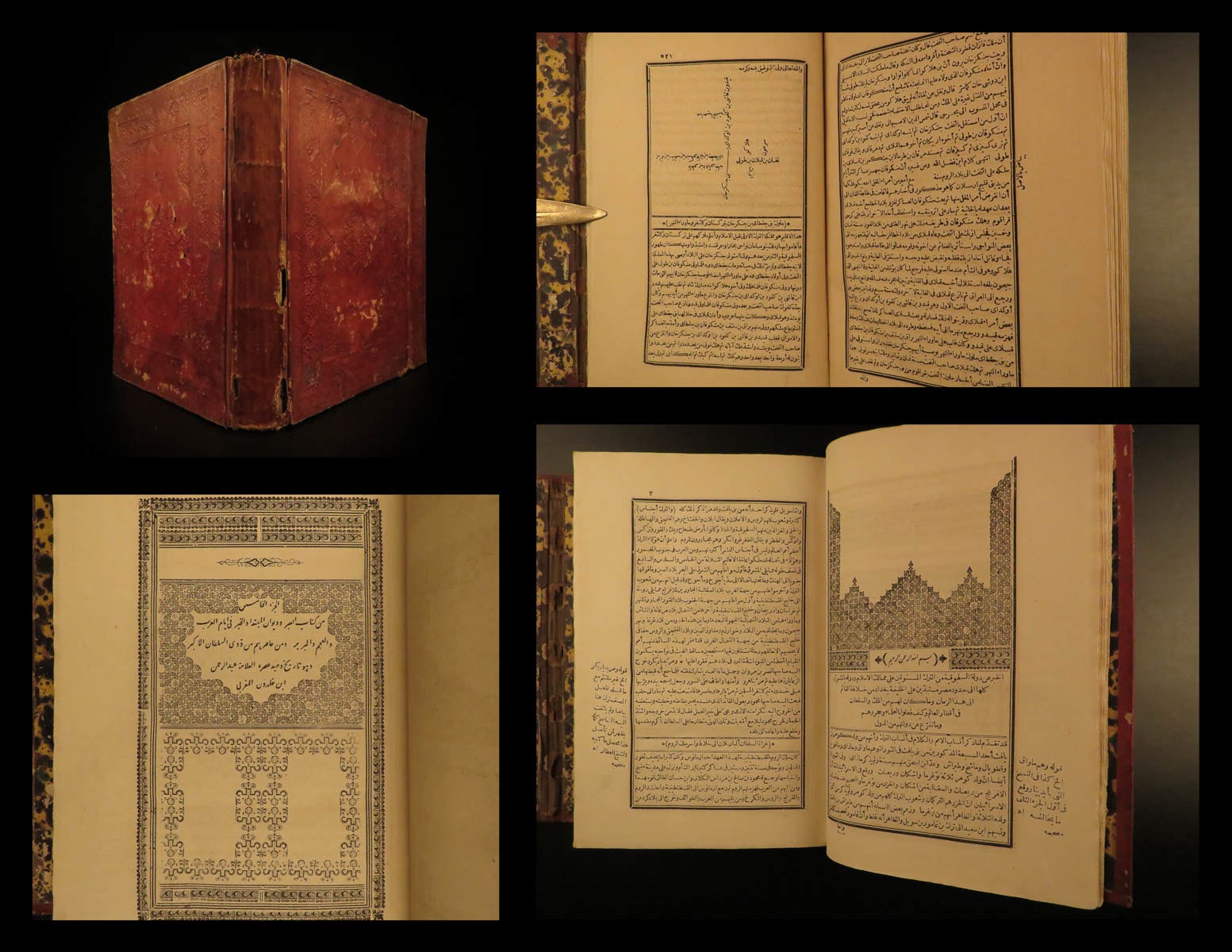
The reasons for this book’s popularity are understandable. But its accessibility comes at a cost, particularly for young Muslim readers. A people’s history is one of the cornerstones of a community’s self-understanding. Ibn Khaldun writes about the value of studying history in his Muqaddimah: history allows us to understand peoples, civilizational patterns, and the rise and fall of power. As he puts it, if the student grasps the nature of events and the circumstances that shape the world, this equips them to distinguish truth from falsehood when critically investigating historical information.
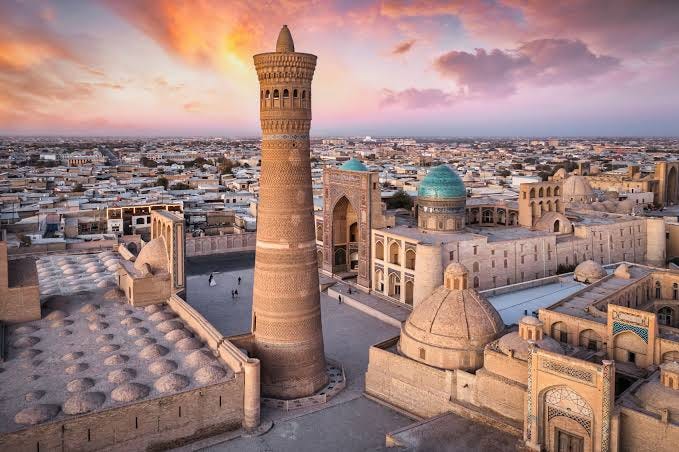
Today, young Muslims, and Muslims generally, need confidence and the tools to shape their own narratives. For too long, the community has faced sustained criticism of its religious tradition and the story of Islam’s past. Charges that Islam is inherently violent are usually met with apologetic responses, minimizing the role of an institution like jihad, or framing Andalusia as a land of convivencia, a society inclusive of all three monotheistic faiths. This is a problem, because it limits the response from offering a holistic account of how the Islamicate world was actually built, decentering and blurring our idea of Islam’s past.
When a community is constantly on the defensive against Western criticism, criticism that has its own history and tradition, it ends up redefining its own heritage and religious tradition on the critic’s terms. This makes the contemporary narrative about Islam largely disingenuous to the tradition it claims to represent. The Islamic intellectual tradition, and the practices that formed it, get watered down, and a once-empowered community is rendered a non-entity, stripped of agency over its own story.
Destiny Disrupted does exactly this. Ansary, a fiction writer with no training in history or its research and narrative methods, employs an anachronistic approach (judging or understanding the past by contemporary standards and sensibilities) and, in doing so, projects a distorted image of that past. A distorted understanding of history breeds a warped understanding of how Islam has operated, and can operate, in the present.
Ansary repositions key institutions within Islam’s history. He displaces the significance of jihad, for instance, by framing it as limited to an internal, spiritual struggle rather than also a mode of defense and military engagement for a civilization, decentering one of the Islamic world’s core institutions from its own narrative. He does something similar when narrating Ottoman legal structure, splitting it into “the Sultan’s law” and “the law of Shari’a.” This false binary distorts the actual place of Islamic law within the Ottoman legal system.
Every civilization, put simply, rests on institutions that grow it, maintain it, and defend it. Islamic civilization is no different: it is built on institutions such as its founding tradition, the madaris (centers of learning), and civilizational structures like governance and the military.
By reducing these institutions to apologetic narratives shaped by contemporary political accusations, Ansary filters the entire history through that lens alone. As noted above, this produces a kind of “heritage dysmorphia” in readers who absorb it.
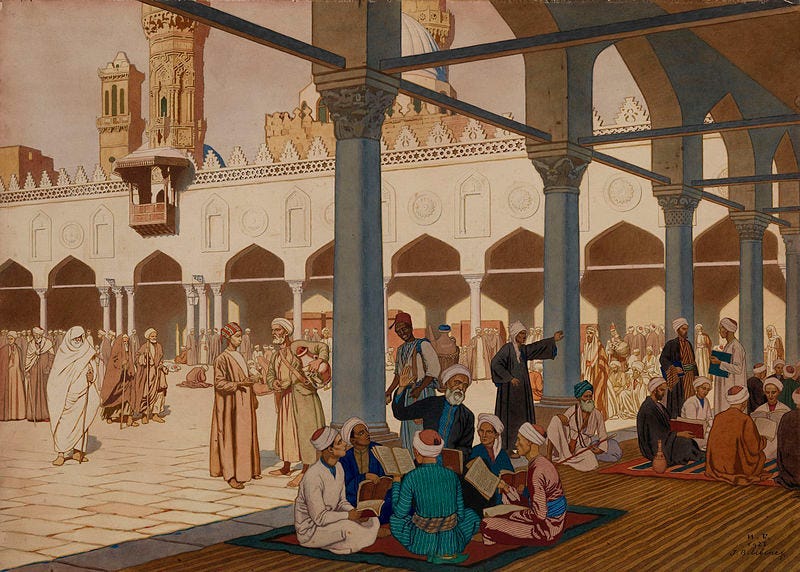
Ansary also avoids primary sources in his quick retelling of 1,400 years of history. A narrative built on secondary and tertiary sources is one that bypasses the tradition’s own origin stories. A book that claims to retell 1,400 years of a civilization’s history “from the inside” (his subtitle promises a view “through Islamic eyes”) while relying entirely on Anglophone secondary literature is, structurally, doing something specific, it mediates the “Islamic perspective” through the filter of Western academic and popular historiography, rather than through the civilization’s own textual tradition such as chronicles, hadith collections, and historical works in Arabic, Persian, and Ottoman Turkish.
These are just three problems with the book: anachronism, the displacement of civilizational pillars, and the avoidance of original sources. There are others. But these alone are reason enough to question promoting and assigning this book as a tool that, however unintentionally, continues the displacement of our communal memory of the past.
[This book review is posted courtesy of Sumaiyya Rahman and the Road to Roots Official Journal. See the following link for the original posting: https://roadtorootsblog.substack.com/p/the-book-destiny-disrupted-is-a-narrative?r=3lc5c2&utm_campaign=post-expanded-share&utm_medium=post%20viewer]

