By Bilal Ali
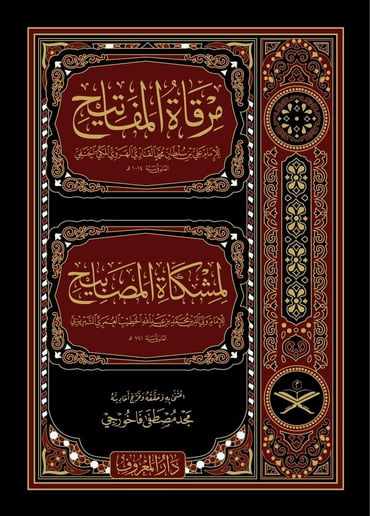
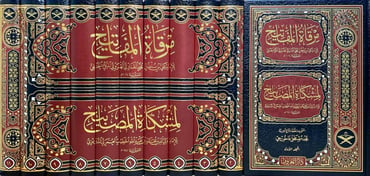
I had the opportunity to examine the first volume of the new eleven-volume edition of Mullā ʿAlī al-Qārī’s celebrated commentary on the Mishkāt al-Maṣābīḥ, Mirqāt al-Mafātīḥ. My access was brief, limited to a few days before returning the volume to its owner, yet the edition has recently been the subject of discussion among students at Darul Qasim regarding preferred prints and whether it merits purchase, which motivated me to pen down and share these initial thoughts.
At present, the available editions are effectively restricted to the Dār al-Kutub al-ʿIlmiyyah print and the older, less accessible Imdādiyyah edition. It is often assumed that a newer publication, particularly one claiming reliance on manuscript verification, will necessarily be superior. Experience suggests that this assumption does not always hold.
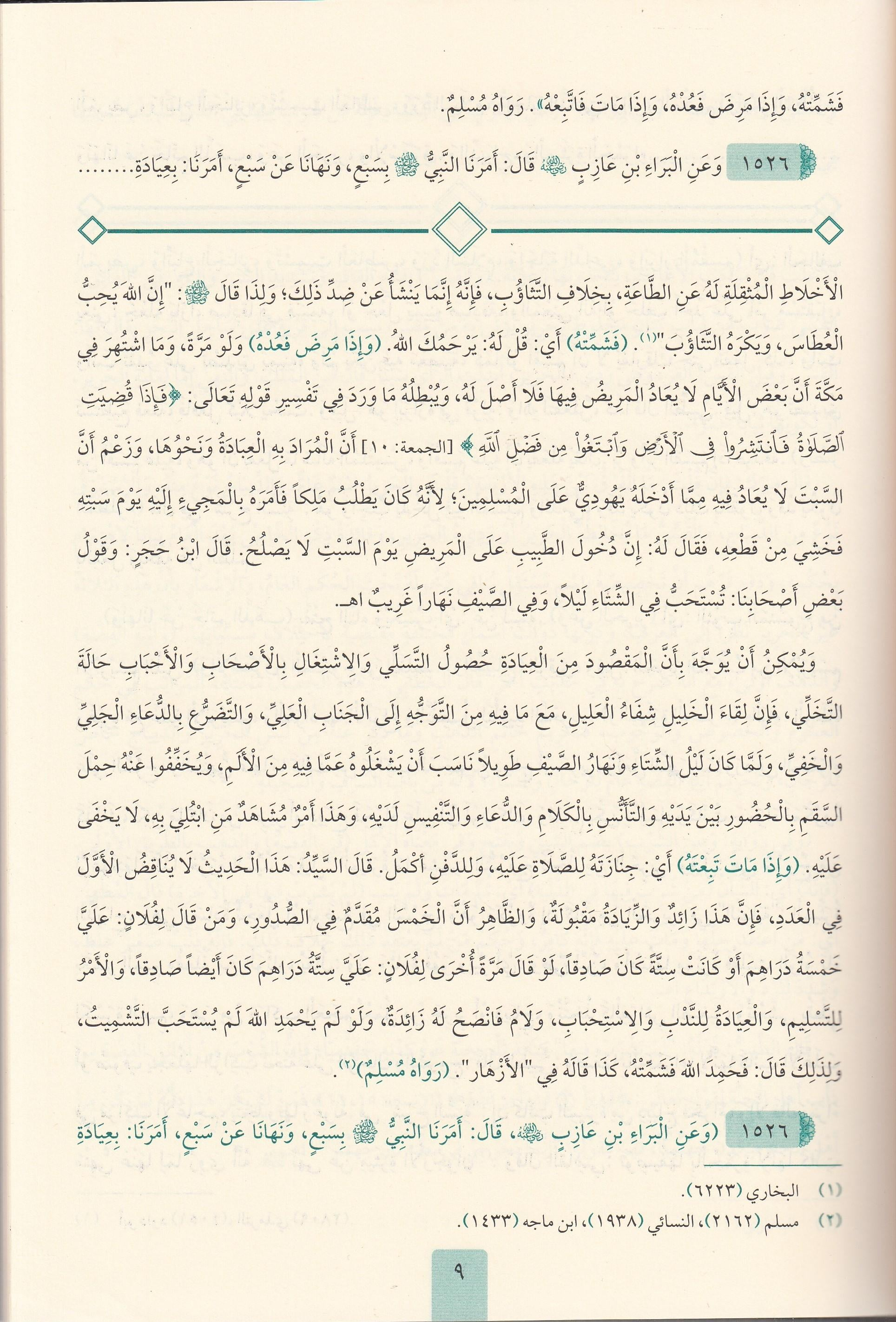
Despite the limited time available for review, I may cautiously offer a number of observations here. The typesetting, already evident from sample pages circulated online and provided below, is of a high standard. The font size, spacing, paragraph structure, and overall presentation of the matn, commentary, and footnotes are well-chosen. The publishers have chosen a relatively compact format and have resisted the temptation to expand the work into additional volumes. This critically preserves affordability for one of its main consumers: madrasah students. The binding and paper quality are likewise commendable. One minor shortcoming is the absence of page headers indicating the kitāb and bāb, a feature that would have facilitated navigation.
The editor’s decision to provide extensive voweling, not only for the ḥadīth but also for the commentary, is a questionable choice. Such thorough vowelization is unnecessary for the intended readership and increases the likelihood of typographical error. Given the brevity of my time with the book, however, I am not in a position to assess the accuracy of this voweling.
It is similarly premature to offer a definitive judgment on the reliability of the text. The portions I examined contained no evident typographical errors. The editor’s prefatory material, however, is sparse and gives the impression of having been prepared quickly. Notably absent is any engagement with our shaykh’s al-Biḍāʿat al-Muzjāt liman Yuṭāliʿ al-Mirqāt, a work whose inclusion, or even partial summarization, would have enriched the edition considerably. Such material could have provided readers with valuable insight into Mullā ʿAlī al-Qārī’s intellectual profile, methodology, and sources, and would have clarified many of the less familiar authorities cited throughout the commentary, including figures such as Mīrak Shāh, Jamāl al-Dīn, and al-Turabishtī.
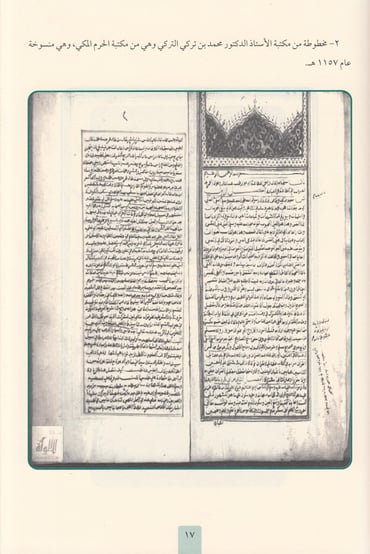
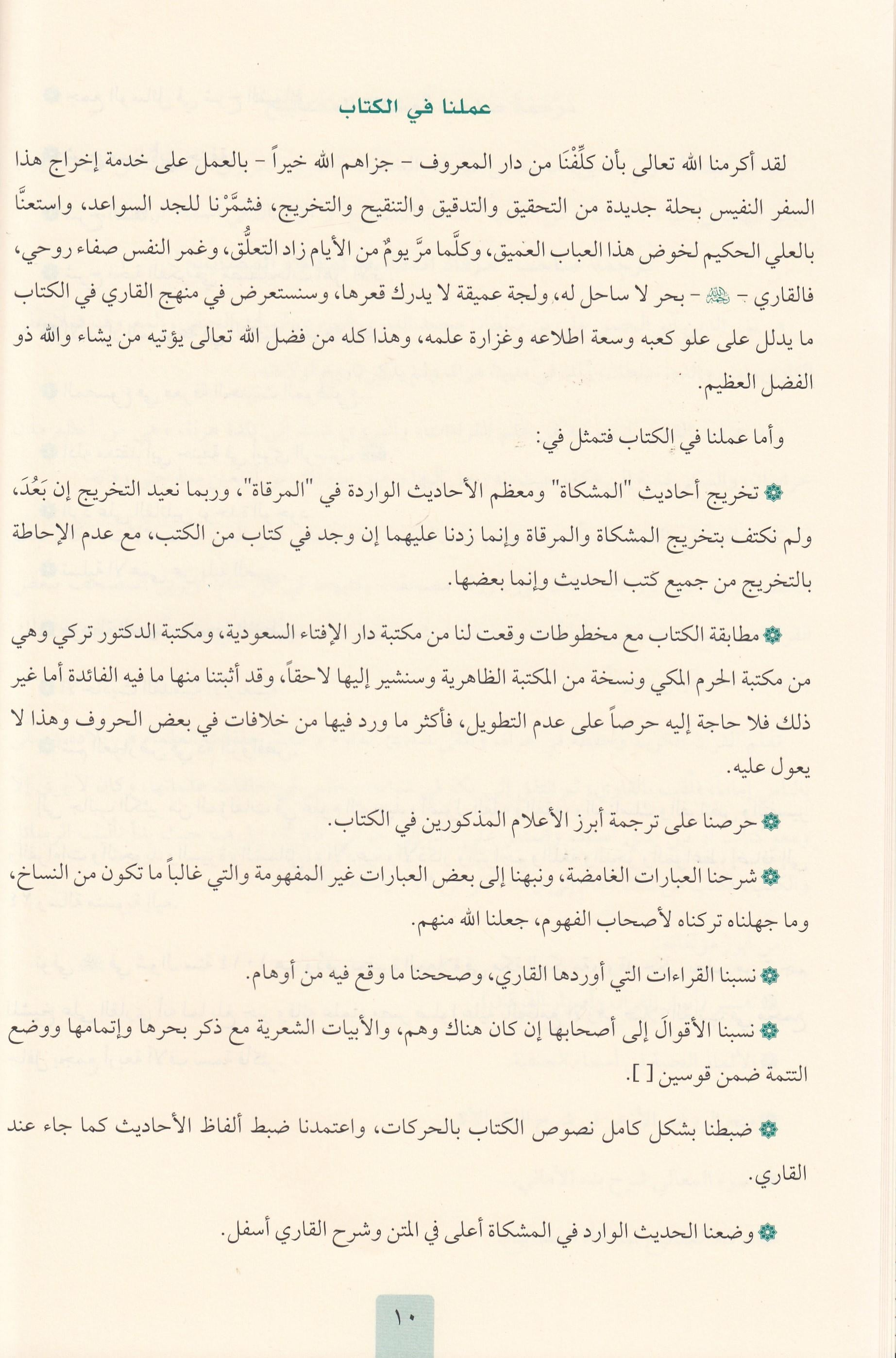
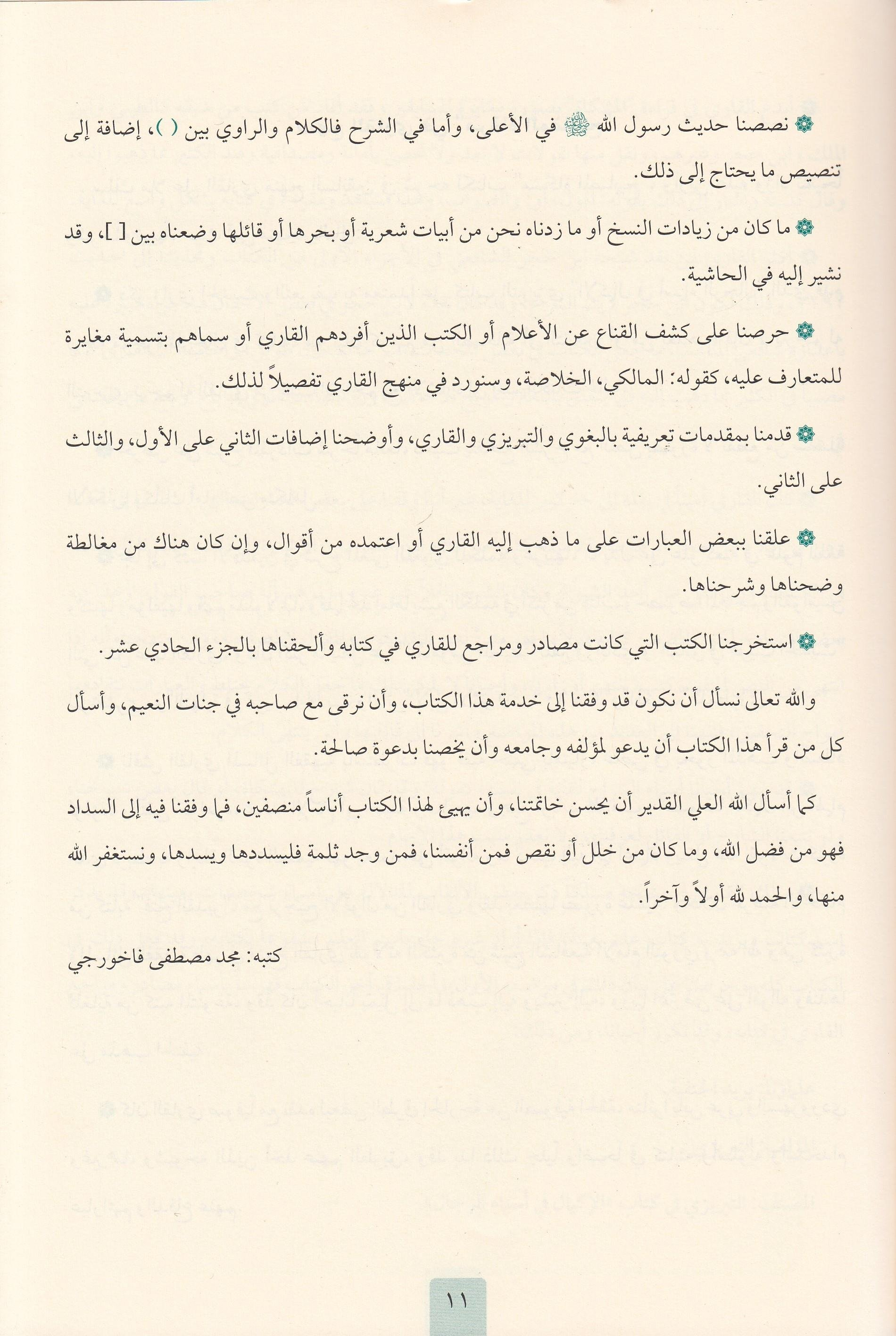
With respect to the editor’s contributions in takhrīj, manuscript comparison, and annotation, it is difficult to reach firm conclusions at this stage. The notes are concise, and the takhrīj of the ḥadīth is correspondingly brief. References for the numerous quotations drawn from earlier commentaries are generally absent, despite the availability of most of these works in print. This omission is not necessarily detrimental, since such parallel commentary can usually be located with relative ease within the corresponding chapters of those commentaries, which tend to follow a similar structure. In fact, the inclusion of volume and page references to works such as al-Ṭībī, Ibn al-Malak, or Fatḥ al-Ilāh might have encumbered the text without proportionate benefit.
Nevertheless, the Mirqāt will benefit greatly from a more expansive program of annotation and source documentation in the future. A comprehensive critical edition, with more extensive taʿlīq and detailed takhrīj of the many cited works, remains a need. Where the present editor has supplied notes and references, however brief, they are welcome, even if they have not been verified here for precision.
In light of these preliminary observations, I may offer a still cautious recommendation. When choosing between this edition and the Dār al-Kutub al-ʿIlmiyyah print, this newer publication appears to be the preferable option. At the same time, expectations should be measured.
 Ṭaḥāwī